Causes and Risk Factors
Gut inflammation occurs when the lining of your intestines gets damaged, allowing harmful substances like toxins and bacteria to enter your body. Some common causes and risk factors include:
- Poor diet, especially one high in sugar and processed foods
- Chronic stress
- Infections
- Overuse of antibiotics
Common Symptoms
People with gut inflammation may experience a variety of symptoms, including:
- Stomach pain
- Diarrhea
- Bloating
- Joint and muscle pain
Impact on Overall Health
Gut inflammation can affect more than just your stomach. It can lead to issues throughout your body, including inflammation and even autoimmune diseases. There’s also something called the Gut-Brain Connection, which means your gut health can affect your mood and brain function.
Taking care of your gut is crucial for your overall health. If you think you might have gut inflammation, it’s a good idea to talk to a healthcare provider.
Anti-inflammatory Foods
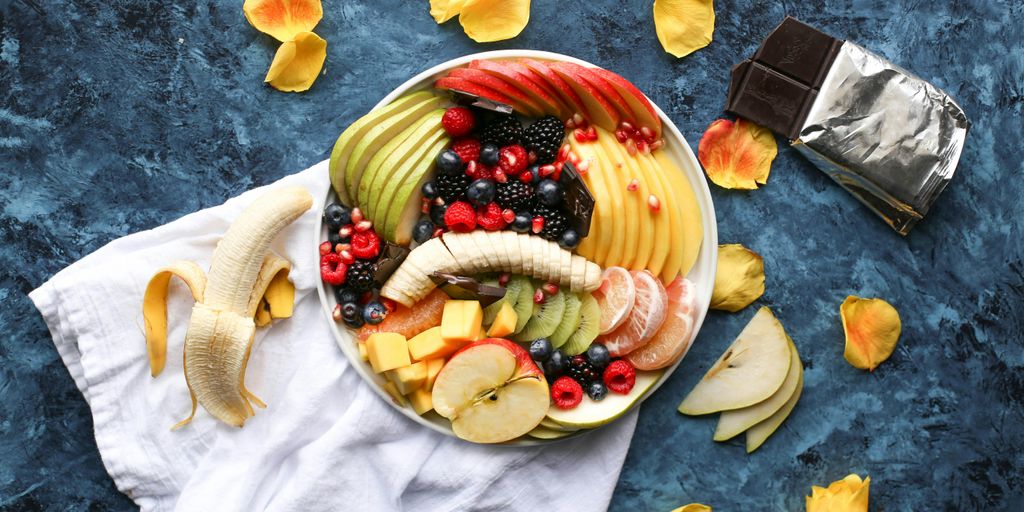
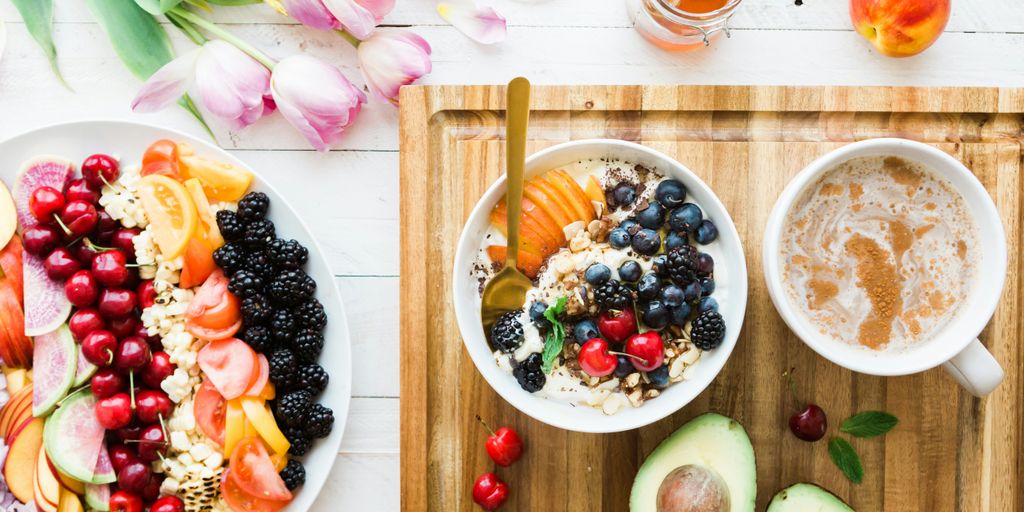
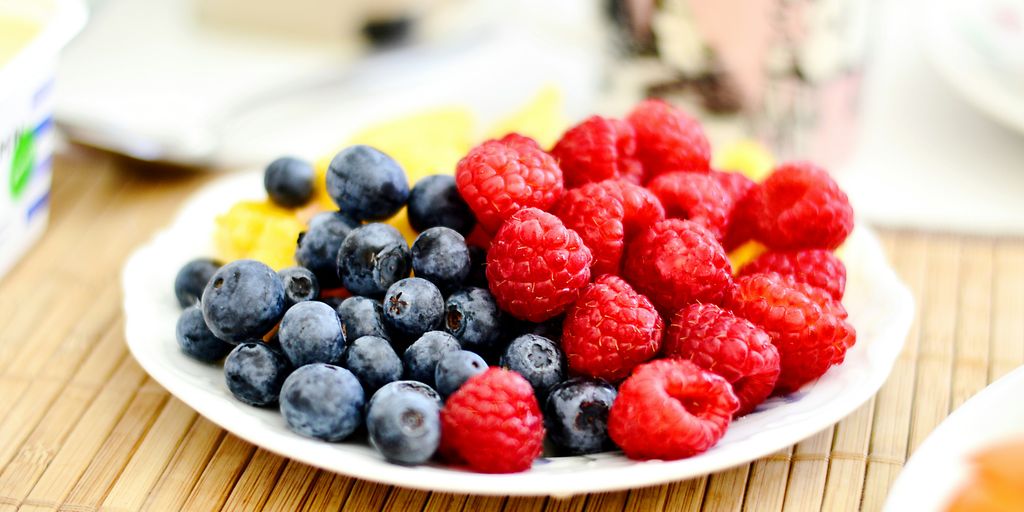
Eating anti-inflammatory foods can help your gut heal. These foods include fruits, vegetables, nuts, and seeds. They help reduce inflammation in your digestive system. Try to avoid processed foods, sugary snacks, and drinks.
Elimination Diets
An elimination diet can help you identify foods that might be causing problems. You start by removing certain foods from your diet and then slowly add them back one at a time. This way, you can see which foods make your symptoms worse. Common foods to eliminate include dairy, gluten, and soy.
Remember, it’s important to talk to a doctor before starting an elimination diet. They can help you do it safely and effectively.
Probiotics and Prebiotics
Probiotics and prebiotics are great for your gut. Probiotics are good bacteria that help keep your gut healthy. You can find them in foods like yogurt and sauerkraut. Prebiotics are foods that feed the good bacteria in your gut. Foods like garlic, onions, and bananas are good sources of prebiotics.
- Probiotics: Yogurt, sauerkraut, kimchi
- Prebiotics: Garlic, onions, bananas
By making these dietary changes, you can improve your digestive health and even your nutrition and mental health.
Stress Management Techniques
Managing stress is crucial for gut health. When you’re stressed, your body releases hormones that can harm your gut. Here are some ways to manage stress:
- Practice deep breathing exercises
- Try yoga or meditation
- Spend time in nature
- Talk to a friend or therapist
Importance of Sleep
Getting enough sleep is vital for your gut. Aim for 7-9 hours of sleep each night. Establish a consistent sleep schedule and adopt good sleep hygiene practices. This helps your body repair and maintain a healthy microbiome.
Good sleep is a cornerstone of holistic wellness and supports both your gut and mental health.
Regular Physical Activity
Regular exercise is great for your gut. It helps reduce inflammation and supports the growth of beneficial gut bacteria. Try to get at least 30 minutes of physical activity most days of the week. This can include:
- Walking
- Biking
- Swimming
- Playing a sport
By incorporating these lifestyle habits, you can support your gut health and overall well-being. Remember, the mind-body connection is strong, and taking care of your body helps your mind too. Functional medicine often emphasizes these holistic approaches for better health.
Popular Herbal Remedies
Herbs can be a natural way to help heal your gut. Some popular choices include:
- Aloe Vera: Known for its soothing properties, aloe vera can help reduce inflammation and promote healing of the intestinal lining.
- Turmeric: This spice has anti-inflammatory properties that may help reduce gut inflammation.
- Ginger: Often used for digestive issues, ginger can help soothe the stomach and intestines.
Essential Supplements
Supplements can also play a role in gut health. Some important ones to consider are:
- Vitamin D: Helps maintain the health of the gut lining.
- Vitamin A: Supports the immune system and gut health.
- Zinc: Important for healing and maintaining the gut lining.
- Glutamine: An amino acid that helps repair the gut lining.
- Probiotics: These good bacteria can help balance your gut flora.
Always talk to your doctor before starting any new supplements. They can help you figure out what you need and what will work best for you.
It’s important to consult with healthcare providers, like naturopathic doctors serving the Portland Metro Area, before starting any new herbal or supplement regimen. They can help you find the best natural remedies for your specific needs. If you’re dealing with stress and anxiety, they can also recommend anxiety relief options that are safe and effective.
Discover the power of natural healing with our comprehensive guide on herbal and supplement remedies. Whether you’re dealing with stress, fatigue, or gut health issues, our expert advice can help you find the right solution. Visit our website to explore more and take the first step towards a healthier you.
Understanding the ins and outs of gut inflammation is crucial for embarking on a successful healing journey. Addressing gut inflammation naturally is of paramount importance in restoring gut health and overall well-being. While conventional medicine may focus on symptom management, natural healing strategies target the root causes, promoting lasting relief and preventing further complications. By making informed dietary choices, adopting healthier lifestyle habits, and exploring natural remedies, you can take proactive steps towards healing your gut. Remember, the journey to better gut health is a marathon, not a sprint, and with patience and persistence, you can achieve a healthier, happier you.








 Optimized by Seraphinite Accelerator