How Diet Affects Skin Health
Our skin is like a mirror that reflects what we eat. Eating healthy foods can help keep our skin clear and glowing. When we eat junk food, it can lead to breakouts and other skin problems.
Here are some ways diet can affect our skin:
- Foods high in sugar can cause inflammation.
- Healthy fats, like those found in fish, can help keep skin moisturized.
- Drinking enough water helps flush out toxins.
The Science Behind Acne and Food
Acne happens when our pores get clogged with oil and dead skin. But did you know that what we eat can make this worse? Certain foods can trigger acne by:
- Increasing oil production in the skin.
- Causing inflammation in the body.
- Affecting our hormones, which can lead to more breakouts.
Common Nutritional Triggers for Acne
Some foods are known to cause acne more than others. Here are a few common culprits:
- High glycemic index foods like white bread and sugary snacks.
- Dairy products, which can lead to more breakouts for some people.
- Processed foods that are full of unhealthy fats and sugars.
It’s important to remember that everyone’s skin is different. What causes acne for one person might not affect another. Understanding your own body and how it reacts to different foods is key to managing acne.
Foods That May Help Improve Acne
Antioxidant-Rich Foods for Clear Skin
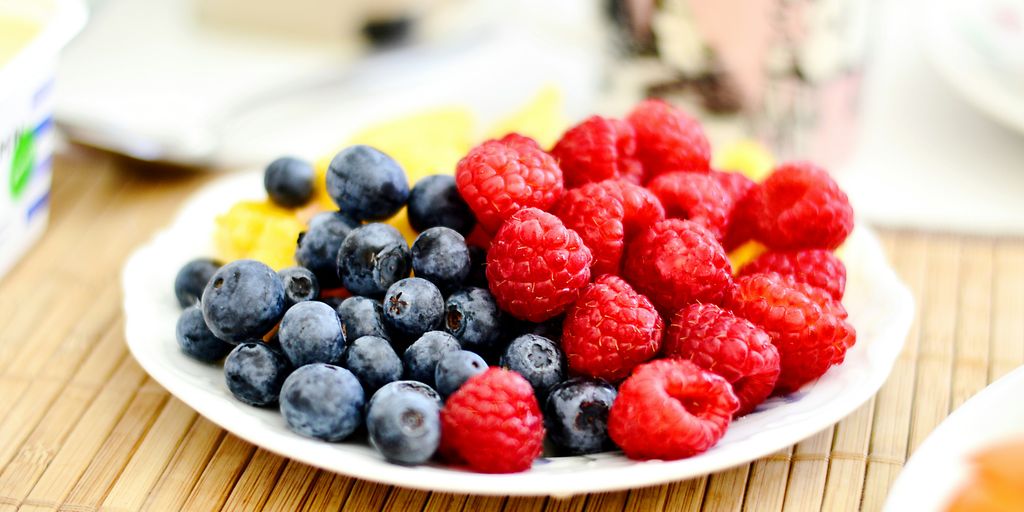
Eating foods that are high in antioxidants can be great for your skin. These foods help fight off harmful substances in your body that can cause skin problems. Some good options include:
- Berries (like blueberries and strawberries)
- Spinach and kale
- Nuts and seeds
Including these foods in your diet can help keep your skin looking fresh and clear.
The Role of Omega-3 Fatty Acids
Omega-3 fatty acids are important fats that can help reduce inflammation in your body. This can be helpful for acne. You can find omega-3s in:
- Fatty fish (like salmon and mackerel)
- Chia seeds and flaxseeds
- Walnuts
Incorporating Probiotics into Your Diet
Probiotics are good bacteria that can help your gut stay healthy. A healthy gut can lead to better skin. You can get probiotics from:
- Yogurt with live cultures
- Kefir (a type of fermented milk)
- Sauerkraut and kimchi
Eating a balanced diet with these foods can be a natural way to help manage acne. Remember, what you eat can affect your skin health!
Foods to Avoid for Better Acne Management
High Glycemic Index Foods and Acne
High glycemic index (GI) foods can cause your blood sugar to spike quickly. This can lead to more oil production in your skin, which may worsen acne. Some foods to watch out for include:
- White bread
- Sugary snacks and drinks
- Pasta made from white flour
Dairy Products and Skin Breakouts
Many people find that dairy can trigger their acne. This might be because dairy can increase hormones in your body that lead to breakouts. Consider cutting back on:
Processed Foods and Their Impact on Skin
Processed foods often contain unhealthy fats and sugars that can harm your skin. Eating too many of these foods can lead to inflammation, which is not good for acne. Try to limit your intake of:
- Fast food
- Chips and snacks
- Sweets and candies
Remember, managing stress is also important for your skin. Stress can make acne worse, so finding ways to relax can help improve your skin health.
Creating a Balanced Diet for Acne-Prone Skin
Eating the right foods can really help if you have acne. A balanced diet is important for keeping your skin healthy. Here are some key points to consider:
Essential Vitamins and Minerals for Skin Health
- Vitamin A: Helps with skin repair and can reduce acne.
- Vitamin E: Acts as an antioxidant, protecting your skin from damage.
- Zinc: Supports healing and can help reduce inflammation.
Hydration and Its Importance
Staying hydrated is super important for your skin. Drinking enough water helps keep your skin moist and can flush out toxins. Aim for at least 8 glasses of water a day!
Meal Planning Tips for Acne Management
- Plan your meals: Make a weekly menu to include more fruits and veggies.
- Snack smart: Choose healthy snacks like nuts or yogurt instead of chips.
- Cook at home: Preparing your meals can help you avoid processed foods.
A balanced diet is a key part of holistic wellness. Naturopathic doctors serving the Portland Metro Area often emphasize the importance of digestive health and the microbiome in managing skin issues.
By focusing on these areas, you can create a diet that supports your skin and overall health.
Conclusion
In summary, what you eat can really affect your skin, especially when it comes to acne. Choosing the right foods can help keep your skin clear, while some foods might make things worse. Eating plenty of fruits, vegetables, whole grains, and healthy fats can support your skin’s health. On the other hand, it’s best to limit sugary snacks, dairy products, and processed foods. Remember, everyone’s skin is different, so it might take some time to find out what works best for you. By being mindful of your diet and making smart choices, you can take an important step towards managing acne and feeling more confident in your skin.








 Optimized by Seraphinite Accelerator