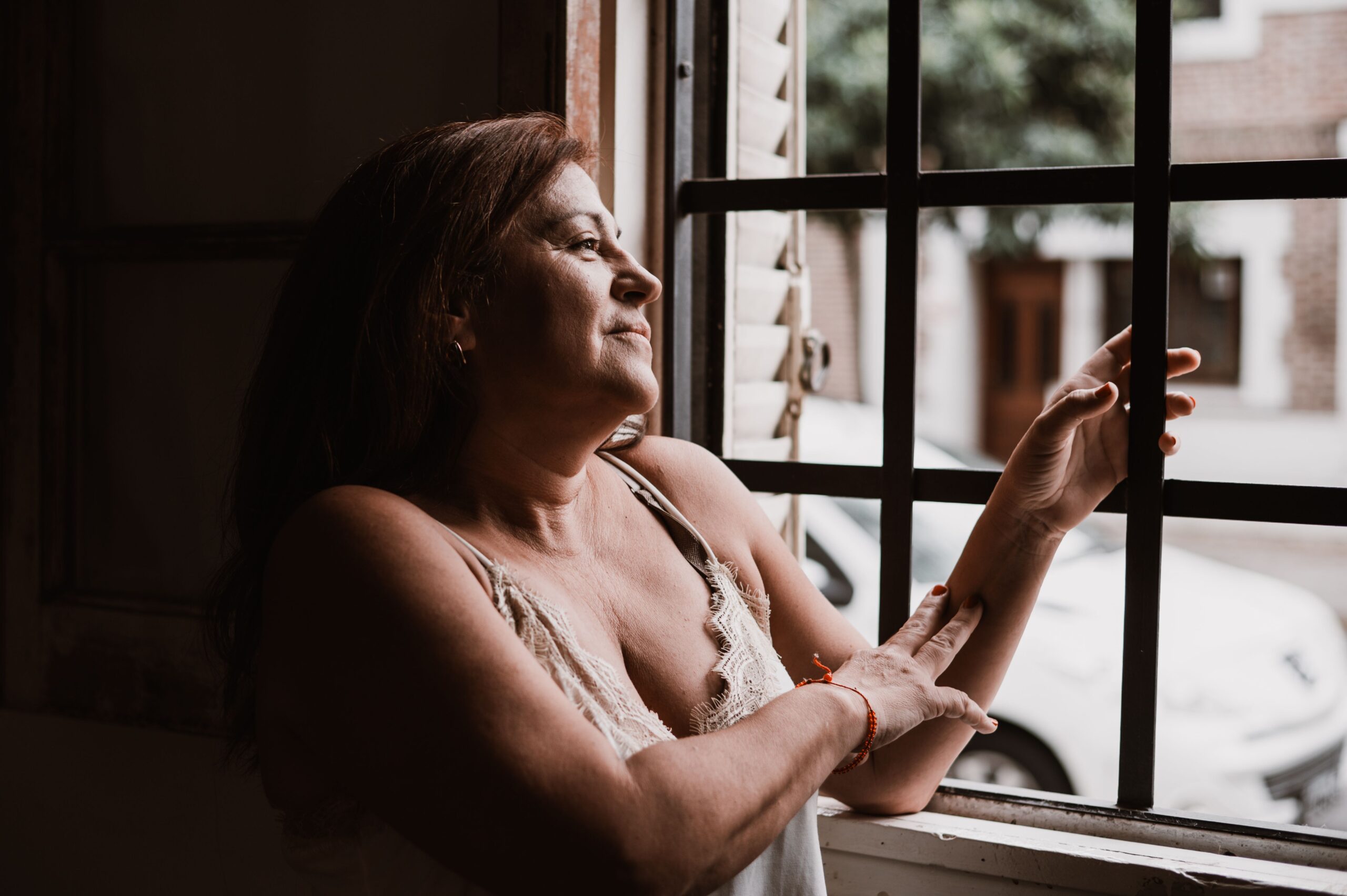
Why Your Hormones May Be Changing in Your 40s
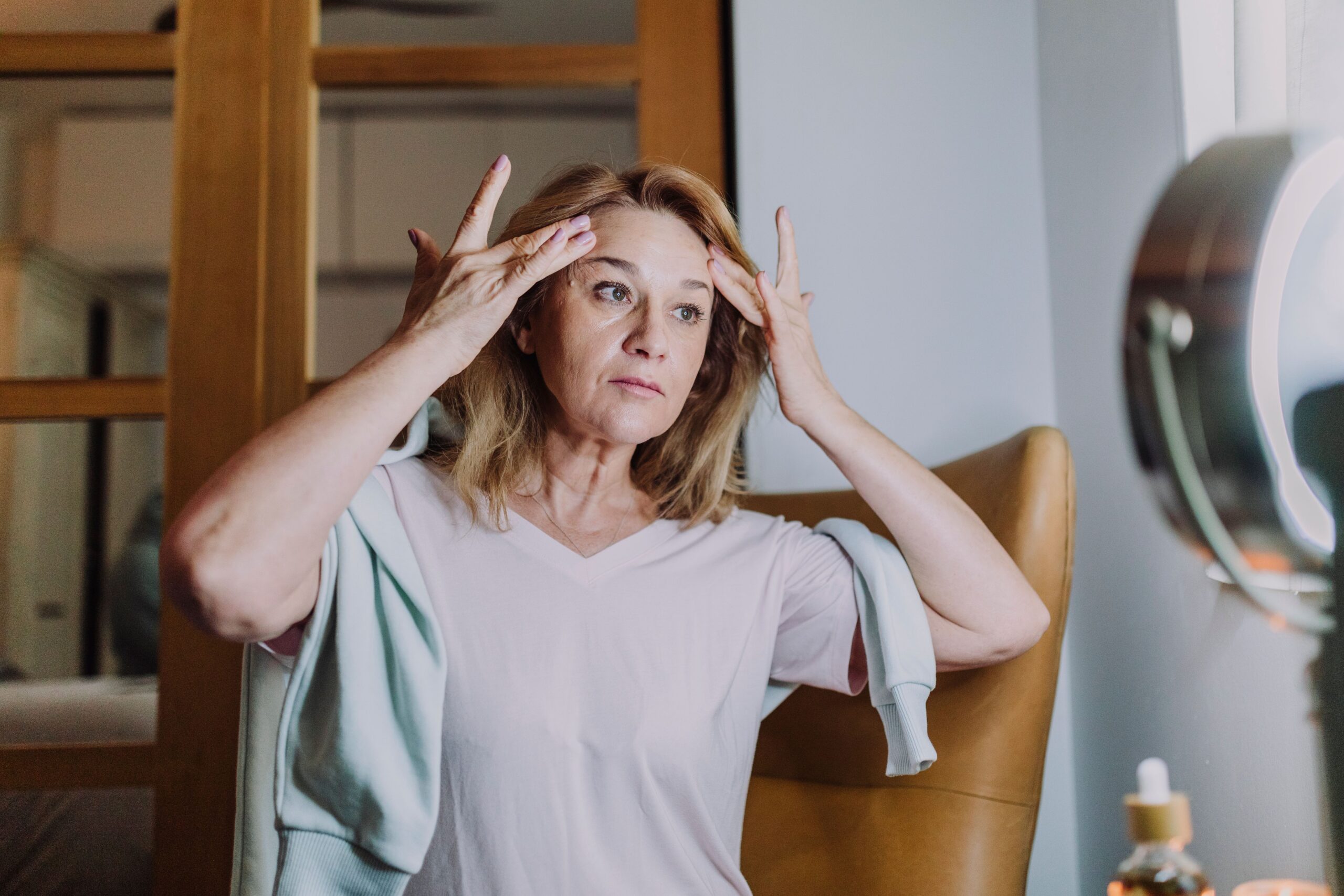
Have you noticed that your body doesn't quite feel the way it used to?
Maybe your periods have become less predictable? You're sleeping differently, feeling more irritable, struggling to concentrate, or suddenly dealing with symptoms you never had before. Maybe you've even thought, Is this just what getting older feels like?
For many women, these changes can begin in their 40s. Sometimes even earlier!
You may not be in menopause yet, but you could be entering perimenopause, the transitional stage leading up to menopause. During this time, your hormones can begin to fluctuate in ways that affect far more than your menstrual cycle.
Understanding what's happening can help you stop blaming yourself for changes that may actually be connected to your hormones.
Perimenopause Can Start Earlier Than You Think
Many women think of menopause as something that happens much later in life. But the transition toward menopause can begin years before your final menstrual period.
Perimenopause is a time of hormonal transition when estrogen and progesterone begin to fluctuate. These changes aren't always gradual or predictable. Hormone levels can shift from cycle to cycle, which means you may feel completely different from one month to the next.
You might notice:
- Changes in the length or flow of your period
- More noticeable PMS symptoms
- Sleep disturbances
- Mood changes or increased irritability
- Brain fog or difficulty concentrating
- New or worsening acne
- Changes in energy
- Hot flashes or night sweats
- Changes in libido
- Shifts in weight or body composition
Not every woman experiences the same symptoms, and some women have very few noticeable changes at first.
That's part of what can make this stage so confusing.
Your Period Isn't the Only Clue
When women think about hormonal changes, they often focus on their menstrual cycle. And while changes in your period can certainly be an important signal, your hormones influence much more than your reproductive system.
Estrogen and progesterone interact with systems throughout your body, including your brain, metabolism, bones, cardiovascular system, and nervous system.
That's why hormonal shifts may show up as changes in sleep, mood, cognition, skin, or energy — sometimes before your cycle becomes obviously irregular.
You may find yourself thinking:
Why am I suddenly waking up at 3 a.m.?
Why am I struggling to focus when I never used to?
Why does my skin look different?
Why do I feel more anxious or emotionally sensitive than before?
Why am I exhausted even though nothing about my routine has changed?
These symptoms don't automatically mean that perimenopause is the cause. There are many possible explanations for changes in your health, which is why looking at the full picture matters.
But they are worth paying attention to.
Hormones Don't Work in Isolation
One of the reasons hormonal health can be complicated is that your hormones don't operate independently.
Your thyroid, adrenal system, reproductive hormones, gut, metabolism, sleep, and stress response all interact with one another.
For example, ongoing stress can affect sleep, and poor sleep can influence energy and mood. Changes in estrogen can affect sleep and temperature regulation. Thyroid function can influence energy, mood, metabolism, and menstrual cycles.
This interconnectedness is one reason why a woman experiencing several new symptoms may struggle to find a simple explanation.
The answer isn't always one hormone or one test.
Sometimes, it's about understanding how multiple systems are working together.
Why This Stage Can Feel So Confusing
Perimenopause isn't a switch that flips overnight. It's a transition, and everyone's experience is different.
You may have months where you feel completely like yourself, followed by a month where everything seems to change. Your symptoms may come and go. Your cycle may be regular one month and different the next.
That unpredictability can make it difficult to know what's actually happening.
It can also be tempting to dismiss your symptoms as stress, aging, or simply having too much on your plate.
But your symptoms are worth paying attention to.
That doesn't mean every symptom is hormonal, or that every woman needs extensive testing. It means your experience deserves to be considered as part of the bigger picture.
When It's Worth Looking Deeper
If you've noticed several changes in your health at once, it may be helpful to step back and look at the pattern rather than focusing on each symptom individually.
Consider:
- When did you first notice the changes?
- Have your menstrual cycles changed?
- How has your sleep changed?
- Are your energy levels different?
- Have you noticed changes in your mood or ability to concentrate?
- Are you experiencing new skin or digestive symptoms?
- Have your symptoms changed alongside increased stress or other major life changes?
Keeping track of these patterns can give you valuable information to bring to your healthcare provider.
Depending on your symptoms and health history, your provider may consider whether further evaluation or testing is appropriate. The goal isn't simply to attach a label to every change. It's to understand what may be contributing to how you're feeling and determine what support makes sense for you.
You Don't Have to Navigate the Transition Alone
Your 40s can be a time of significant change, but that doesn't mean you have to simply accept feeling unlike yourself.
If you've been noticing changes in your cycle, sleep, mood, energy, or overall well-being, it may be time to look at the bigger picture.
At Dr. Ellen Heinitz's practice, the goal is to understand your individual health story and consider how different parts of your health may be connected. If you're wondering whether hormonal changes could be contributing to how you're feeling, contact Dr. Ellen to schedule a consultation and explore what may be happening in your body.
You don't need to have all the answers before you reach out. Sometimes, the first step is simply having someone take the time to listen and help you put the pieces together.
A New Chapter Doesn't Have to Mean Feeling Like a Different Person
Hormonal changes are a natural part of life, but struggling through them without understanding what's happening doesn't have to be.
Your body is changing and learning how to support it during that change can make a meaningful difference in how you feel.
If you're in your 40s and noticing that something feels different, don't ignore that feeling. Pay attention to the patterns. Ask questions. Bring your concerns to someone who will listen.
You may not be able to stop every change that comes with this stage of life, but understanding what's happening can help you feel more informed, more supported, and more confident in caring for the body you have now.